






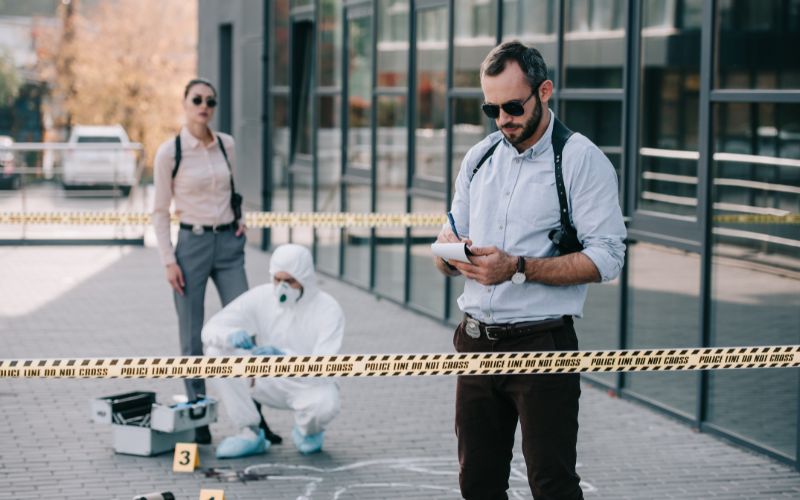
Crime can happen anywhere. Offices, shops, factories, and homes all face risks. Many people think that alarms and cameras are enough. But human presence often works best. Security guards are trained to prevent crime and protect people and property.
In this article, we will explain the role of security guards in crime prevention. We will use simple words, clear examples, and practical tips. By the end, you will understand how guards keep businesses safe and how you can use them effectively.
1. Deterring Criminals
One of the main roles of security guards is to prevent crime before it happens. Criminals are less likely to act when they see a trained guard. For example, a retail shop in London installed a visible guard at the entrance. The store noticed a sharp drop in shoplifting. Thieves avoided the store because they knew someone was watching. Even acts like vandalism or mischief were reduced. Guards not only deter crime visually but also through regular patrols. They walk around parking lots, entrances, and office areas. Their presence alone can make people think twice before attempting anything wrong.
2. Monitoring Suspicious Activity
Security guards are trained to spot unusual or suspicious behavior. Cameras cannot always notice body language, nervous movements, or repeated attempts to access restricted areas. For example, in a large office building, a guard noticed a person loitering near the server room. The guard politely approached and asked for ID. The person turned out to be unauthorized. This early intervention prevented potential theft. Guards are also trained to document these incidents. Early detection is often the key to preventing bigger crimes, such as robbery or data theft.
3. Responding Quickly to Incidents
Even with prevention measures, crimes or emergencies can occur. Security guards act immediately when a problem arises. For instance, in a warehouse, a guard saw someone trying to break in through a side door. The guard called for help, approached the intruder safely, and detained them until police arrived. Alarms alone may alert authorities, but guards can act in real time. Fast response protects both people and property. Guards are trained to remain calm under pressure, which prevents small incidents from becoming major problems.
4. Patrolling and Maintaining Visibility
Patrolling is a core function of security guards. By regularly moving through a property, guards increase visibility and reduce crime opportunities. For example, a factory with a guard patrolling entrances and parking areas noticed a group attempting to steal materials. The presence of a guard stopped the crime immediately. Visibility also reassures employees and visitors. They know the property is monitored, which improves morale and confidence. Regular patrols combined with checkpoints make criminals think twice before acting.
5. Controlling Access
Unauthorized access is a major cause of crime. Security guards ensure only authorized individuals enter restricted areas. For example, in an office building, guards check ID cards at the entrance. Visitors are logged and escorted if necessary. Unauthorized personnel are denied access. Access control also prevents accidental incidents, like someone entering a dangerous area without guidance. Guards protect high-value assets and sensitive information by managing who comes and goes.
6. Reporting and Documentation
Security guards maintain detailed reports of incidents and suspicious activity. These reports are valuable for management, insurance, and law enforcement. For example, a retail store experienced repeated minor thefts. Guards documented each suspicious activity. This documentation helped the police identify patterns and apprehend a repeat offender. Reports can also provide legal protection. If property is damaged or stolen, detailed records support insurance claims and investigations. Guards provide context and judgment that cameras alone cannot.
7. Handling Conflict and De-escalation
Guards are trained to handle conflicts safely. They can calm aggressive individuals and prevent fights from escalating For instance, in a busy shopping center, a guard noticed an argument between two customers. The guard approached calmly, separated the individuals, and resolved the situation without violence. Preventing violent incidents is a key part of crime prevention. Many crimes start as small disputes. Guards help stop these situations before they become serious.
8. Supporting Law Enforcement
Security guards often work closely with police and emergency services. They act as first responders until law enforcement arrives. For example, during a burglary attempt at a retail store, guards secured the scene and collected evidence. When police arrived, they had clear records and observations. This cooperation speeds up investigations and increases the chance of catching criminals. Guards also provide witness accounts and assist in gathering evidence. Their presence ensures that crime scenes are controlled and documented.
-
Educating Staff and Visitors
Security guards also educate employees and visitors about safety and security procedures. Awareness helps prevent accidental incidents. For example, a guard may instruct staff on locking doors properly, handling cash safely, or monitoring visitor access. Visitors can be guided on restricted areas and emergency exits. Education and guidance help prevent crimes caused by negligence. When everyone understands rules, security improves naturally.
10. Building a Culture of Safety
Having security guards encourages a culture of safety. Employees and visitors see that security is a priority. For example, a factory with trained guards observed fewer safety violations. Staff were more careful, and visitors followed property rules. Creating a safety culture reduces opportunities for crime. Guards enforce rules consistently and lead by example. Over time, this mindset becomes part of the daily routine.
11. Guarding High-Risk Areas
Certain areas need more attention. Guards focus on high-risk zones like cash counters, server rooms, parking lots, and entrances. For example, a London office had repeated break-ins in its parking lot. Security guards patrolled the lot at night and during busy hours. Crime was significantly reduced. Focusing on high-risk areas ensures resources are used effectively. Guards prioritize areas most likely to face threats.
12. Deterring Internal Theft
Internal theft by employees is a serious concern. Guards monitor staff activity in sensitive areas.For example, in a warehouse, guards check stock movements and verify deliveries. This prevents employees from taking items without permission. Monitoring internal activity also encourages honesty among staff. Knowing that guards are present reduces temptations to commit theft.
13. Responding to Emergencies
Security guards are trained for emergencies. They can handle medical incidents, fires, and accidents. For example, in an office, a visitor fainted. The guard administered first aid and called emergency services. Quick action prevented a serious situation.
Being prepared for emergencies is part of preventing crime. Guards ensure that accidents do not escalate and that everyone remains safe.
14. Monitoring Technology Systems
Guards often monitor technology systems like CCTV and alarm panels. They notice unusual activity and respond quickly. For example, a CCTV system in a shopping mall showed a person trying to enter a restricted area. The guard approached immediately and prevented entry. Combining technology with human judgment ensures effective crime prevention. Cameras alone cannot act; guards can respond in real time.
15. Increasing Employee Confidence
Employees feel safer when guards are present. They know help is available if something goes wrong. For example, office staff reported feeling more comfortable staying late at work when trained guards were on duty. Safety reduces stress and improves productivity. Confidence among staff also reduces mistakes and negligence, which can lead to security breaches. Guards provide reassurance through their presence.
Conclusion
Security guards play a critical role in crime prevention. They deter criminals, monitor activity, respond quickly, control access, and educate staff. They also help law enforcement, prevent internal theft, and build a culture of safety. Businesses, offices, shops, and residential properties all benefit from trained guards. Guards reduce risks, protect people, and ensure property is safe. At C-Curity, our trained guards provide reliable crime prevention services. Hiring guards is an investment in safety and peace of mind. Take action today. Protect your property and staff with professional security guards. Their presence is your first line of defense against crime
Frequently Asked Questions (FAQs)
Can security guards prevent all crimes?
No, but they reduce risks and act quickly.
Do guards work alone or in teams?
Both. Larger properties may need teams.
Are guards trained for emergencies?
Yes. They handle theft, fire, and medical situations.
How do guards help with internal theft?
They monitor staff and sensitive areas.
Can guards work with CCTV and alarms?
Yes. Technology helps, but guards act in real time.