



Let me ask you something honestly. When was the last time you truly thought about your business security? Not just a quick look at a camera on the wall, but actually sitting down and asking yourself if your business is really safe. Most business owners I have come across have not done this. Not because they do not care, but because there is always something more urgent to handle. It could be a supplier issue, a staffing problem, or an upcoming deadline. As a result, security often gets pushed aside.
The problem is that security usually becomes a priority only when something goes wrong. By that point, it can already be too late. This is not meant to alarm you, but rather to highlight a reality that many businesses face. These situations happen more often than people realize, which is why taking a proactive approach to security is so important.
The Way We Think About Security Is Still Outdated
Here is something that often surprises people. Many businesses are still relying on security systems that were set up ten or even fifteen years ago. A basic alarm, a single camera near the entrance, and maybe a keypad for one room. At the time, that setup was probably enough. Business operations were simpler, and risks were easier to predict. Locking the doors and setting the alarm felt sufficient.
However, the environment has changed significantly. Staff now work flexible hours, customers expect a higher level of safety, and business operations move faster than ever. Information has become more valuable, and those looking to exploit weak security systems have become far more skilled. At the same time, security technology has improved dramatically. Modern CCTV systems offer clearer footage and remote monitoring. Access control can be managed directly from a smartphone, and response teams can act quickly when needed. The issue is not a lack of available solutions, but rather that many businesses have not updated their approach to match today’s realities.
What Really Happens When Security Fails
When people think of security breaches, they often imagine dramatic events like break ins or theft during the night. In reality, most incidents are far less obvious. Problems often develop slowly and go unnoticed until they become serious.
For example, an employee might take small amounts of money regularly. At first, it is barely noticeable, but over time it adds up to a significant loss. Without proper monitoring, it can continue for months without detection. Experienced security professionals are trained to recognize patterns like this. They can identify small irregularities that others might overlook.
What a Professional Security Team Actually Does
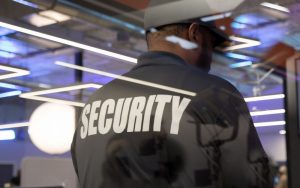
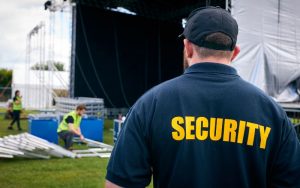
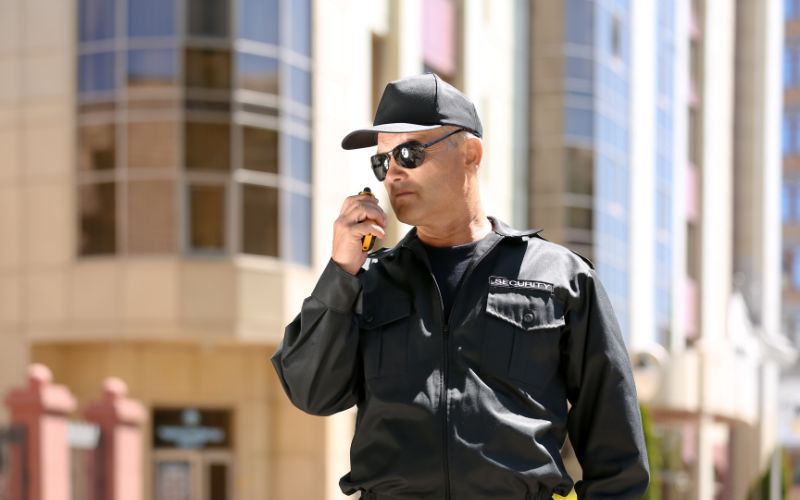
I think the word “security” makes people picture a big guy standing by a door with his arms folded. That image is so outdated it’s almost funny. What a professional team actually does is much quieter than that. And much more valuable. They watch. Properly watch. Not scrolling through a phone while glancing up every few minutes. They understand the layout of your building, the routines of your staff, the usual flow of people in and out. They notice when something is off before anything has actually happened.
They walk the site. They check the spots you’ve stopped noticing because you’re there every day. The alley at the side. The loading area at the back. The fire door that staff prop open because it’s easier. These are the gaps that cost people dearly, and a good security professional will close them before someone else finds them. They communicate. If something happens anything, even something small they document it and they tell you. You stay informed. You understand what’s going on in your own building. That sounds basic, but it’s rarer than it should be.
What Good Guards Bring That Equipment Can’t
Technology is great. Cameras, sensors, alarms all of it helps. But technology doesn’t make decisions. It doesn’t read a room. It doesn’t calm someone down or step between two people about to make a terrible mistake. A trained guard does all of those things.
They’re also trained in first aid. They know emergency protocols. If something happens quickly a medical situation, a fire, a threat they act. The people around them don’t have to figure it out on their own. That matters more than most people think until the moment it’s needed.
Cameras Are Only Useful If Someone Watches Them
This is a point worth sitting with for a moment. Most businesses have cameras. Most businesses check those cameras after something goes wrong, trying to piece together what happened. That’s a bit like putting on a seatbelt after the crash. A monitored CCTV system one where trained eyes are watching in real time is a completely different thing. Suspicious behaviour is spotted early. A guard is alerted before it turns into a problem. And if something does happen, the footage is properly managed and preserved from the start. The camera on the wall is just hardware. What turns it into real security is the human being watching it properly.
Every Business Is Different — And Security Should Be Too
One thing that frustrates me about some security companies is how they sell the same plan to everyone. Big shop, small office, busy venue, quiet warehouse same package, same setup, same approach. That’s not how it works in the real world. A clothes shop on a busy high street has completely different needs to a medical clinic. A warehouse that operates overnight needs something different to a restaurant that closes at ten. A law firm with sensitive client data needs access control that a family-run bakery doesn’t.
C-Curity gets this. They don’t hand you a brochure and ask which tier you want. They come and look at your site. They talk to you about how your business actually runs. And then they put together something that fits. That might sound like the kind of thing every company claims to do. But the difference shows up in how the security actually performs and whether it feels like it belongs to your business or was just dropped in from somewhere else.
The Cost Conversation People Avoid Having
I understand why cost is the first thing that comes up. Every business is managing its spending carefully. Another monthly cost feels like another squeeze. But let’s be honest about what the alternative actually costs. A single break-in isn’t just the value of what’s stolen. It’s the repairs. The lost trading time. The staff who are shaken up and distracted for weeks. The insurance claim and everything that comes with that. The time you personally spend dealing with police, assessors, suppliers.
Internal theft that goes undetected for six months isn’t a small problem. It’s potentially a business-threatening one by the time you catch it. One serious incident involving a member of staff or a customer whether it becomes a legal matter or just damages your reputation can take years to recover from. Laid out honestly, professional security isn’t an expense you’re adding. It’s protection for the investment you’ve already made. And for most businesses, it costs far less than a single serious incident would.
Why C-Curity Is Worth Talking To
There are a lot of security companies. Some are good. Some are not. What I’d say about C-Curity is this: they take the relationship seriously. They’re not just placing guards and billing you at the end of the month. They stay involved. They check in. They update their approach as your business changes. If something shifts new staff, new layout, new risks they adapt with you.
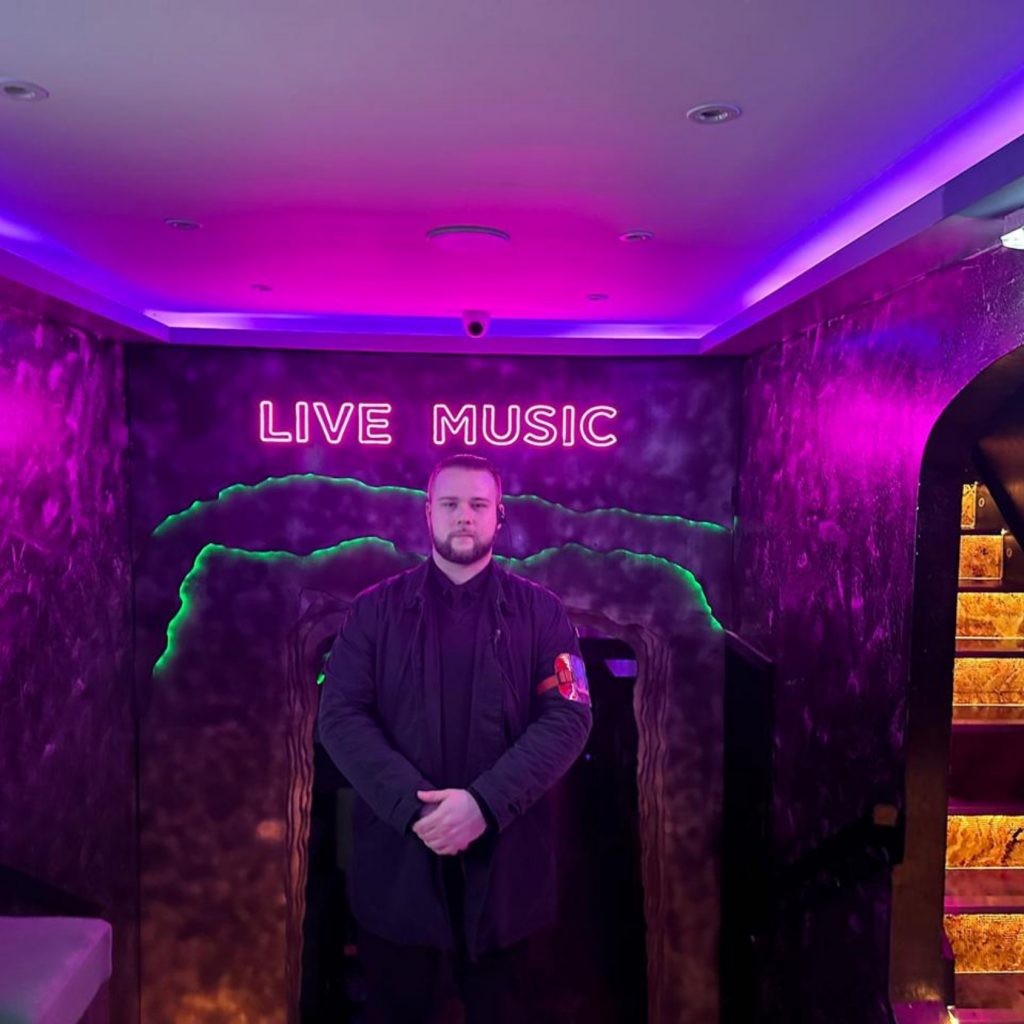
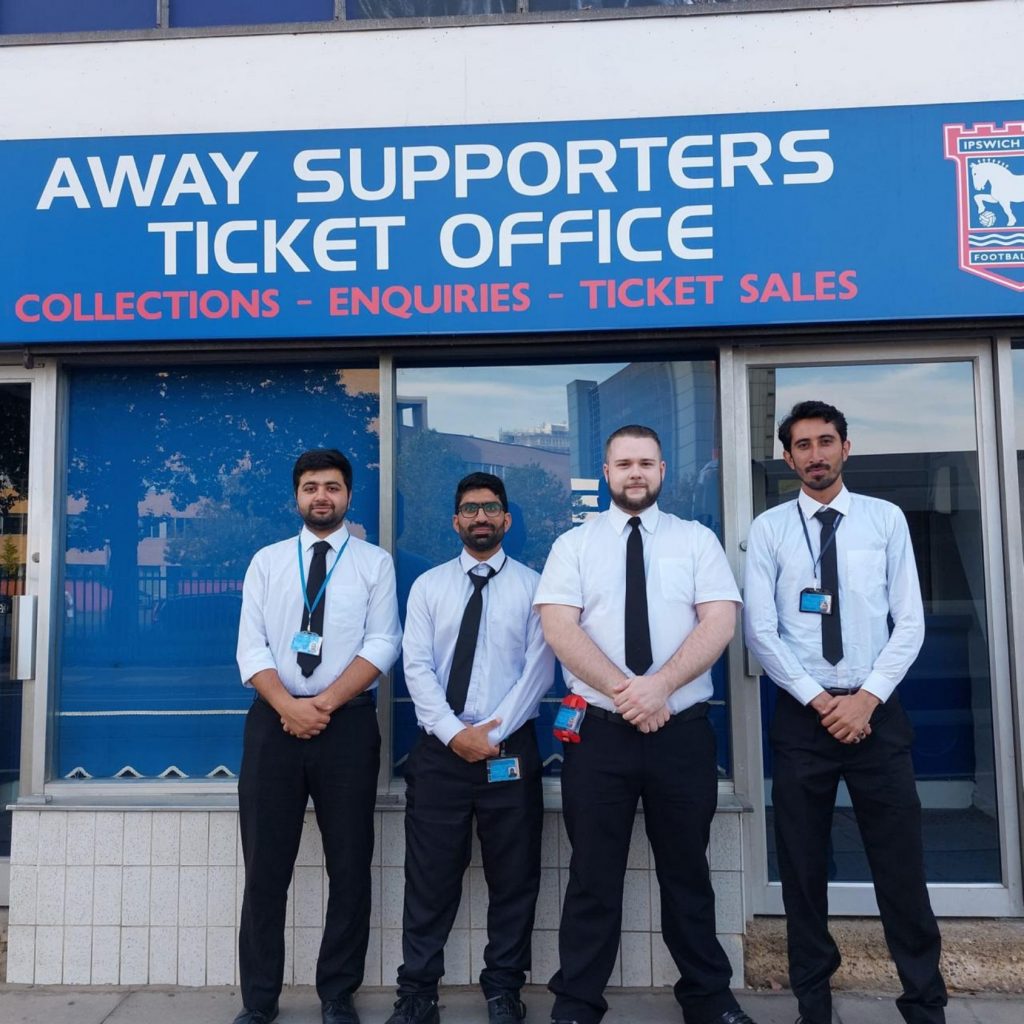
Their team is properly licensed and well trained. They carry themselves well, which matters more than people admit. When your customers and staff see security personnel, they’re representing your business too. That first impression lands. And when something actually happens because it will at some point, in some form they respond. Not with paperwork and apologies. They respond with action, quickly and calmly. That kind of partnership, built over time, is genuinely hard to put a price on.
Conclusion
You’ve put real effort into your business. The early mornings. The difficult decisions. The moments you weren’t sure it was going to work and you kept going anyway. That deserves to be protected. Professional security isn’t about being fearful. It’s about being smart. It’s about not leaving things to chance when you don’t have to. It’s about your staff finishing a late shift and feeling okay walking to their car. It’s about your customers walking through the door and feeling like this is a place that’s well run and safe. C-Curity can help you get there. Not with a complicated overhaul. Just a conversation, a proper look at what you’ve got, and a practical plan that makes sense for your business. Reach out to them. It’s a straightforward first step and it might be one of the most useful calls you make this year.
Frequently Asked Questions (FAQs)
Does a small business really need professional security
Yes. Small businesses are often targeted because they are seen as easier to access. Having visible and professional security can quickly change that perception and reduce risk.
Is a camera and alarm enough these days
They are helpful, but not sufficient on their own. Without proper monitoring and a trained response, they only record incidents rather than prevent them.
How does a security assessment work
A professional team visits your site, identifies weak areas, and recommends practical solutions. The process is simple and often offered at no cost.
What if my business has been running fine without security
That is a good sign, but it may simply mean a problem has not occurred yet. A risk assessment helps identify potential vulnerabilities before they become serious issues.
Can security staff handle medical emergencies
Yes. Trained security personnel are usually certified in first aid and can manage emergency situations until further help arrives.